
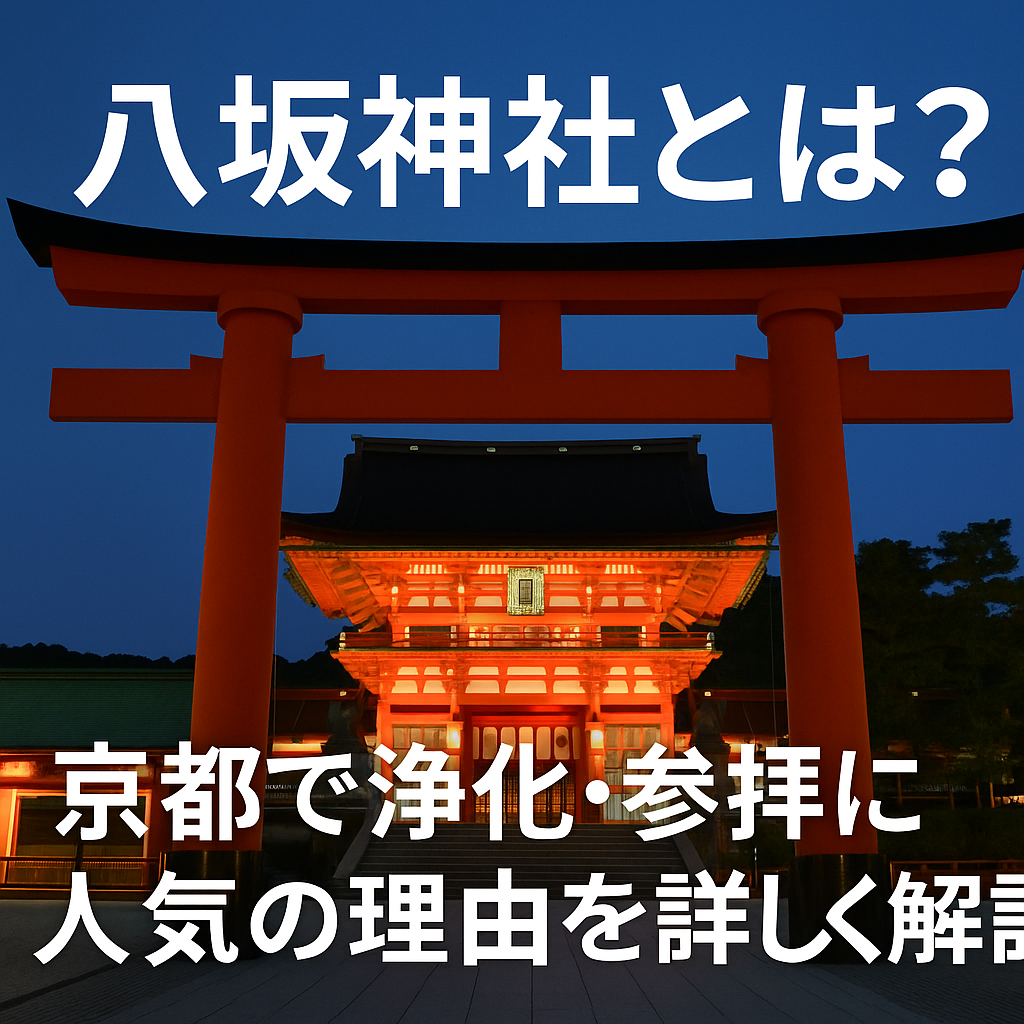
京都を訪れる人が「心を整えたい」「浄化されたい」と感じたとき、必ず候補に挙がるのが 八坂神社 です。観光地でありながら強い浄化力や厄除けのご利益があるとされ、多くの参拝者が足を運びます。
この記事では、八坂神社が浄化スポットとして愛される理由や、歴史・ご祭神・参拝のポイントなどをわかりやすくご紹介します。
- 1300年以上の歴史を持つ京都の代表的な神社
- 八坂神社が「浄化・祓い」として人気の理由
- 見どころと感じられる“浄化のポイント”
- 浄化・参拝目的で訪れる人におすすめの時間帯
- 八坂神社へのアクセスと参拝の流れ
- 八坂神社は“観光以上の体験”を与えてくれる場所
- まとめ:浄化・心のリセットを求めるなら八坂神社へ
- A Shrine with Over 1,300 Years of History
- Why Yasaka Shrine Is Considered a “Purification & Blessing” Spot
- What to See & Feel: Spiritual, Historical, and Aesthetic Highlights
- When & How to Visit: Making the Most of Your Trip
- How to Pray & What You Can Pray For
- Why Yasaka Shrine Offers So Much More Than Just Sightseeing
- Conclusion: For Spiritual Renewal and Cultural Richness, Yasaka Shrine Is a Must-Visit in Kyoto
1300年以上の歴史を持つ京都の代表的な神社
八坂神社の起源は 西暦656年(斉明天皇時代) にまで遡るといわれています。長い歴史の中で「祇園社」「祇園感神院」と呼ばれた時代もあり、明治維新後に現在の「八坂神社」へ改称されました。
● ご祭神:素戔嗚尊(すさのおのみこと)
本殿に祀られている素戔嗚尊は、
✔ 災難除け
✔ 疫病退散
✔ 厄除け
などの強い力を持つとされる神様です。
その妻である櫛稲田姫命や、八柱御子神も祀られており、家内安全・縁結びなど多彩なご利益があるとされています。
● 疫病退散の歴史が浄化スポットとしての評価につながる
平安時代、京都で疫病が流行した際、人々は八坂神社へ祈りを捧げました。これが後に 祇園祭 の起源となる「御霊会(ごりょうえ)」へと発展し、
“災いを祓う神社”
“都市を清め守る神社”
という信仰が強まりました。
この歴史が「八坂神社=浄化」と語られる背景です。
八坂神社が「浄化・祓い」として人気の理由
● 厄除け・災難除けの神様を祀っている
素戔嗚尊は強力な厄除けの神として信仰され、参拝すると悪い気を祓い、心身が軽くなると感じる参拝者も多くいます。
● 祇園祭に受け継がれる“浄め”の文化
日本三大祭のひとつ「祇園祭」は、元々は都の災厄を鎮めるための浄化儀礼でした。
現代でも「八坂神社=悪いものを祓う場所」という認識が続いています。
● 境内全体が心地よい“気”に満ちている
境内は広く開け、四季を感じられる自然や落ち着いた建築が並び、歩くだけでも心が整うような感覚があると評判です。
見どころと感じられる“浄化のポイント”
● 鮮やかな楼門をくぐる瞬間が心の切り替えに
八坂神社の象徴ともいえる楼門は、
“俗世から神域への入り口”
とも言われています。
くぐった瞬間に空気が変わったように感じるという声も多く、参拝前の浄化として人気です。
● 本殿での参拝は「リセット」の感覚が強い
本殿の厳かな空気の中で参拝すると、
✔ 心がすっと軽くなる
✔ 不安が和らぐ
✔ 落ち着きが取り戻せる
などの感覚があると語る人が多く、浄化目的の参拝者に特に人気です。
● 周囲の自然と調和する“癒しの空間”
隣接する円山公園の自然や、八坂神社から清水寺方面へ続く道の情緒ある街並みも、心身を整える要素として作用しています。
浄化・参拝目的で訪れる人におすすめの時間帯
● 朝の参拝(6〜9時)
・静寂が漂い、気が澄んでいる
・観光客が少なくゆっくり参拝できる
・心を整えるのに最適
● 夜の参拝(灯篭が灯る時間)
・幻想的で精神的な落ち着きが得られる
・昼とは違った浄化の感覚がある
観光目的なら昼も賑やかで楽しいですが、浄化やメンタルリセットを目的とするなら 朝か夜が最適 です。
八坂神社へのアクセスと参拝の流れ
● 行き方
・京阪「祇園四条駅」から徒歩約5分
・阪急「京都河原町駅」から徒歩約8分
・京都駅から市バス(100・206系統)で「祇園」下車すぐ
観光地ど真ん中にあり、旅行者にもとても行きやすい神社です。
● 参拝方法(一般的な作法)
- 静かに一礼し鳥居をくぐる
- 手水舎で清める
- 本殿前でお賽銭
- 「二礼二拍手一礼」で参拝
願い事に合わせて境内の摂社・末社も参拝すると、さらに気持ちが整いやすくなります。
八坂神社は“観光以上の体験”を与えてくれる場所
八坂神社は有名観光地として知られる一方、
「心が安らぐ」
「気持ちが軽くなる」
「浄化された感じがする」
という精神的な体験を求めて訪れる人も非常に多い神社です。
境内を歩くだけで気が整うような空気感、歴史に裏付けられた祓いの力、参拝後に感じる心地よい解放感。
これらの要素が組み合わさり、八坂神社は京都で特に人気の“浄化スポット”として知られています。
まとめ:浄化・心のリセットを求めるなら八坂神社へ
もしあなたが、
✔ 心を軽くしたい
✔ 気持ちを整えたい
✔ 京都で強力なパワースポットに行きたい
と感じているなら、八坂神社は必ず訪れるべき場所です。
ただの観光では終わらない、
“心が静まり、軽くなる体験”
を味わえる神社として、八坂神社はこれからも多くの人に愛され続けるでしょう。
Yasaka Shrine: A Spiritual Escape in Kyoto — Purification, Worship & Timeless Tradition
Many people visiting Kyoto search for a place that offers both cultural depth and spiritual sanctuary. If you’re looking for purification, tranquil reflection, or a sense of connection with Japan’s ancient tradition — look no further than Yasaka Shrine.
In this article we explore why Yasaka Shrine remains one of Kyoto’s most beloved sacred sites, how its history and deities contribute to its reputation as a purification-powerful spot, and practical tips for visiting — whether you’re a first-time visitor or a returning pilgrim.
A Shrine with Over 1,300 Years of History
Yasaka Shrine’s origin is believed to date back to 656 AD, during the reign of Empress Saimei. お食事処 錦鶴 |+2〖公式〗八坂神社 京都+2
Over the centuries, what was once known as “Gion Shrine” or “Gion-Kanshin-in” evolved into the present-day Yasaka Shrine after the Meiji-era separation of Buddhism and Shinto. そうだ 京都、行こう。+2inariage.com+2
The main deity enshrined here is Susanoo-no-Mikoto, a powerful god in Japanese mythology associated with storms, sea, and the driving away of evil and disease. 〖公式〗八坂神社 京都+2ウィキペディア+2
Alongside Susanoo-no-Mikoto, his consort and their divine offspring are also worshipped, making Yasaka Shrine the head shrine for the approximately 2,300 Yasaka-related shrines across Japan. Leaf KYOTO+2keihanhotels-resorts.co.jp+2
Historically, during outbreaks of plague or epidemics in Kyoto, people prayed at Yasaka Shrine for protection and relief. The festival that later became Gion Matsuri originated as a purification ritual to appease restless spirits and safeguard the city. ウィキペディア+2www.veltra.com+2
This legacy of healing and protection continues to shape Yasaka Shrine’s reputation as a place of spiritual cleansing and renewal.
Why Yasaka Shrine Is Considered a “Purification & Blessing” Spot
Spiritual Protection & Disaster-Prevention Traditions
Because Susanoo-no-Mikoto is regarded as a deity who subdues natural disasters and demonic influences, many visitors come to Yasaka Shrine to pray for protection from illness, misfortune, or negative energy. This deep-rooted belief contributes to its aura as a cleansing and protective sanctuary. www.veltra.com+2www.veltra.com+2
The long history of plague-avoidance rituals, later evolving into the grand-scale Gion Matsuri, reinforces the notion that Yasaka Shrine holds strong spiritual power for purification and communal protection. ウィキペディア+2bunka.nii.ac.jp+2
What to See & Feel: Spiritual, Historical, and Aesthetic Highlights
Iconic Gate & Architecture as a Symbolic Threshold
The shrine’s striking gate — often the one visitors pass — serves not just as an entrance, but a symbolic transition from everyday life into sacred space. Passing through this gate can feel like a momentary escape, a pause for reflection before entering a world of tranquility. Japan Guide+2japanmanifest.com+2
Once inside, the main hall and its architecture — recognized as national treasures and important cultural properties — evoke centuries of worship, reverence, and human devotion. These structures themselves carry the weight of history and tradition, contributing to the shrine’s serene, calming atmosphere. bunka.nii.ac.jp+2お食事処 錦鶴 |+2
Attractive Mix of Nature, History & Spiritual Calm
Yasaka Shrine is surrounded by historic streets, traditional Kyoto architecture, and green spaces — including the nearby Maruyama Park, a famous cherry-blossom viewing spot. This blend of natural beauty and sacred space allows visitors to reset mentally and emotionally, especially during seasonal changes like spring blossoms or autumn leaves. Japan Guide+2keihanhotels-resorts.co.jp+2
When & How to Visit: Making the Most of Your Trip
Best Times for a Peaceful Visit
If you seek quiet reflection or calm, early mornings and late evenings are ideal — the shrine grounds are often far less crowded, and the atmosphere becomes especially atmospheric with soft lantern light at dusk. JapanTravel+2japanmanifest.com+2
During festival seasons such as the Gion Matsuri or cherry-blossom time, expect more bustle — but also more energy, community spirit, and cultural richness. Japan Guide+2Discover Kyoto+2
How to Get There
Yasaka Shrine is conveniently located between the Gion and Higashiyama districts. It’s within walking distance from Gion-Shijo Station (Keihan Line) or Kyoto-Kawaramachi Station (Hankyu Line). Bus lines from Kyoto Station (e.g. #100 or #206) also stop at “Gion,” right by the shrine. Japan Guide+2楽天トラベル+2
Visitors can walk from popular tourist spots like Higashiyama or Kiyomizu-dera through traditional lanes, making the visit both a spiritual and scenic journey. Japan Guide+1
How to Pray & What You Can Pray For
At Yasaka Shrine you can pray for various blessings — purification from past burdens, protection against illness or misfortune, good health, prosperity, or even better relationships. As with many Shinto shrines, common practices include offering a small coin, bowing twice, clapping twice, and bowing once more.
Because the shrine has many sub-shrines and guardian gods, you can also visit smaller altars for wishes like beauty, good relationships, or business success. For some, the visit becomes a chance for internal reflection, emotional reset, or mental “cleansing” — a powerful complement to sightseeing. keihanhotels-resorts.co.jp+2LIVE JAPAN+2
Why Yasaka Shrine Offers So Much More Than Just Sightseeing
Yasaka Shrine is not just a tourist landmark — it’s a living spiritual center that continues to offer solace, tradition, and hope. Whether you come with a wish, a prayer, or simple curiosity, the shrine delivers an experience that touches the heart.
For local believers and global travelers alike, the feeling of standing in a sacred space with centuries of history behind, the gentle rhythm of prayers, and the hush of old wood and stone can truly feel like a reset for the mind and soul.
Conclusion: For Spiritual Renewal and Cultural Richness, Yasaka Shrine Is a Must-Visit in Kyoto
If you’re seeking a place in Kyoto where culture, history, spirituality, and natural beauty converge — Yasaka Shrine stands out as a destination that offers all of the above. Whether praying for purification, celebrating tradition, or simply walking through ancient gates under lantern light, your visit can become a deeply meaningful part of your journey.
Next time you explore Kyoto, take time to walk through the gates of Yasaka Shrine. Let its centuries-old spirit wash over you. You may find more than sightseeing — you may find a moment of peace, clarity, and renewal.

コメント