
福岡グルメというと、ラーメン・もつ鍋・水炊きが真っ先に浮かびます。でも「せっかく福岡に来たなら、ちょっと大人の“割烹名物”も食べたい」――そんな気分の日に刺さるのが、**割烹よし田の鯛茶(鯛茶漬け)**です。
TBS『バナナマンのせっかくグルメ!!』の「福岡2時間SP」予告でも、見どころの一つに**「ホークスの大物選手オススメ!割烹の鯛茶漬け」**が挙げられていて、“福岡のガチ推し”枠として登場しています。
福岡の夜は濃いグルメが多い分、こういう「スッと上品に締まる名物」が入ると、旅のバランスが一気に整います。
- 鯛茶って何?——「まずは刺身」「次にお茶漬け」の二段構え
- 割烹よし田の鯛茶、食べ方のコツ(初めてでも失敗しない)
- ランチで食べられるのが最高:天神本店「昼定食」の鯛茶メニュー
- 2025年、天神に“名物鯛茶が復活”したのも大きい
- せっかくグルメ目線で言うと:福岡の“濃い名物”の間に、割烹鯛茶が刺さる
- 行く前に知っておくと楽なこと(短く実用)
- まとめ:福岡で「大人の名物」を食べるなら、割烹よし田の鯛茶
- The Sekkaku Gourmet!!–Style Must-Try That Finishes Your Trip Perfectly
- What is “Tai-cha”? A Two-Stage Dish: Sashimi First, Tea Rice Second
- Why Yoshida’s Tai-cha Feels Special
- The Best Way to Eat It (First-Timer Friendly)
- A Huge Advantage: You Can Eat the Signature Tai-cha at Lunch
- The Tenjin Main Store Reopening: “Tai-cha Returns to Tenjin”
- Why This Works So Well in a Fukuoka Trip (The Sekkaku Gourmet!! Logic)
- Quick Practical Tips Before You Go
- Conclusion: If You Want a “Refined Fukuoka Signature,” Eat Tai-cha at Kappo Yoshida
鯛茶って何?——「まずは刺身」「次にお茶漬け」の二段構え
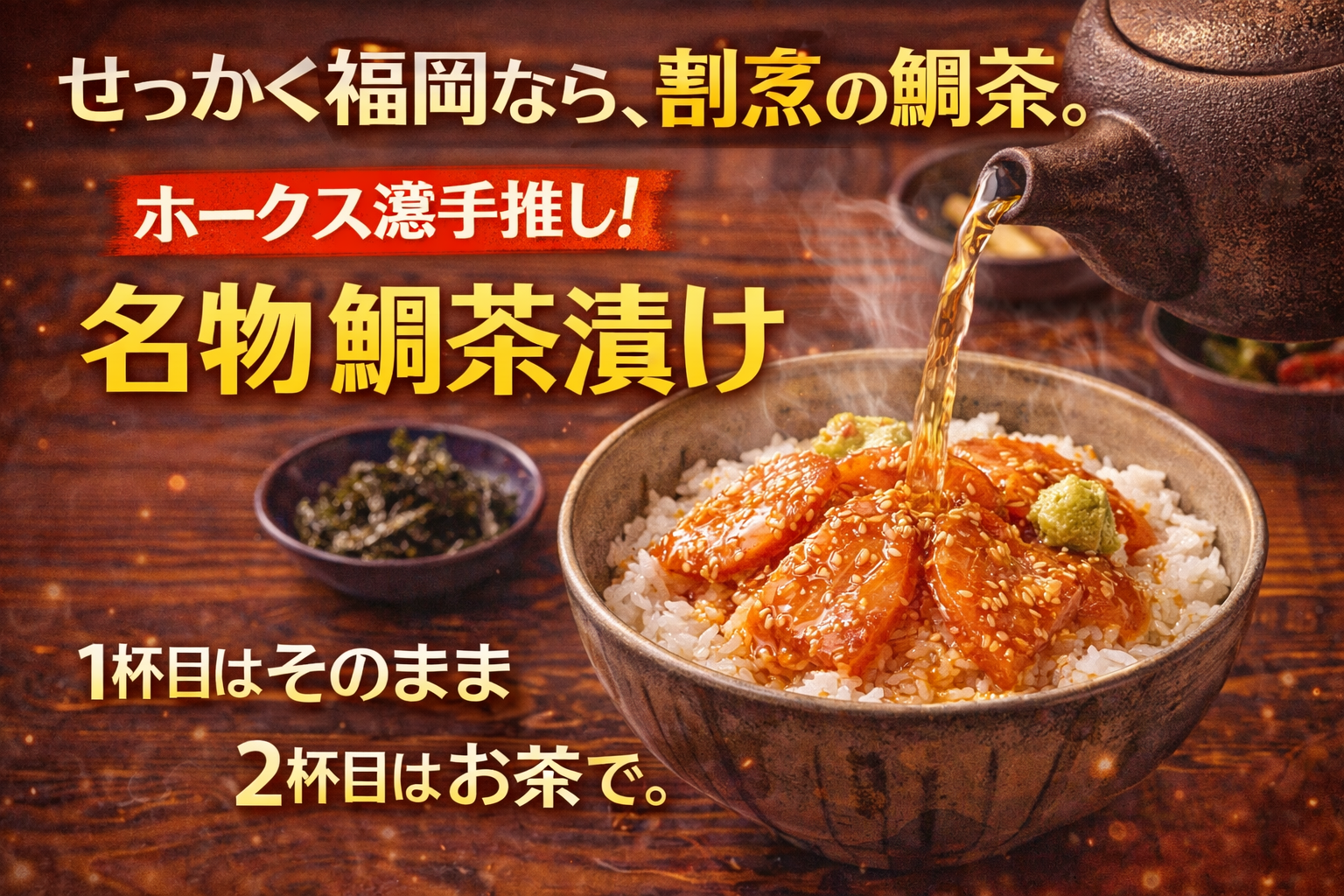
割烹よし田の鯛茶は、ざっくり言うとごまの効いた“鯛の漬け”をご飯にのせて楽しみ、後半はお茶をかけてお茶漬けにする名物料理。
「1杯目はそのまま、2杯目はお茶をかけて」が店の定番、という説明が“家庭割烹よし田”のレシピページでも明記されています。
ポイントは“お茶”であること。だし茶漬けではなく、薄めのお茶(またはお湯)でさらっと流すから、胡麻だれの香りと鯛の甘みが立ち、後味が軽くまとまります。
割烹よし田の鯛茶、食べ方のコツ(初めてでも失敗しない)
①まずは「そのまま」
鯛の刺身に鯛茶たれを絡め、海苔やわさびを添えて、ご飯と一緒に。ここで“割烹の味”の芯(胡麻だれの香りと塩梅)を感じます。
②次に「お茶をかけて」
同じ具材をのせたまま、薄めのお茶をかけて茶漬けに。味が濃いと感じる人はお茶多め、しっかり派はたれを少し足しながら。
③わさびはケチらない
レシピページでも「鯛茶漬けにはわさびをぜひ」と推されています。胡麻だれの風味が締まり、後半の爽快感が段違いです。
ランチで食べられるのが最高:天神本店「昼定食」の鯛茶メニュー
「割烹って夜のコースでしょ?」と思われがちですが、よし田はランチで名物の鯛茶を単品でもセットでも楽しめます。
割烹よし田 天神本店の昼メニューには、名物鯛茶が
- 鯛茶 1,760円(税込)
- 鯛茶 1.5倍 2,530円(税込)
- 鯛茶 2倍 3,410円(税込)
と明確に掲載されています。
さらに人気どころとして、
- 鯛茶天ぷらハーフセット 2,530円(税込)(ランチタイム一番人気の表記あり)
も用意されています。
「せっかくグルメ巡礼で腹ペコ」ならセットで満足、「鯛茶だけを集中して味わいたい」なら単品、という選び方ができます。
2025年、天神に“名物鯛茶が復活”したのも大きい
割烹よし田は1963年創業で、天神の再開発(天神ビッグバン)に伴う建て替えを経て、創業の地・天神1丁目に新生「天神本店」を開業したことを公式サイトが告知しています(2025年6月10日付)。「名物『鯛茶』も、天神の街に復活です」と明記されています。
そして現在は、
- 天神本店(福岡市中央区天神1-14-14)
- 博多店屋町店(福岡市博多区店屋町1-16)
の2店舗体制で営業、と案内されています。
「天神で買い物→ランチに鯛茶」「博多側の観光→店屋町で鯛茶」など、旅の動線に合わせて組み込みやすいのも強みです。
せっかくグルメ目線で言うと:福岡の“濃い名物”の間に、割烹鯛茶が刺さる
番組予告の福岡SPは、もつ鍋・天ぷら・焼き鳥・純喫茶ホットサンドなど“強い食”が並ぶ中で、**「ホークスの大物選手オススメ!割烹の鯛茶漬け」**が入っています。
ここが絶妙で、脂・揚げ物・濃厚スープが続きがちな福岡旅に、鯛茶の“上品で軽い締まり”が効くんです。
しかも、鯛茶は「一皿で二度おいしい」。
刺身としての満足→お茶漬けとしての回復感。旅の途中でも、最終日の締めでも、どっちでもハマります。
行く前に知っておくと楽なこと(短く実用)
- ランチは人気なので、時間に余裕を(特に天神エリア)
- 初回は 鯛茶(標準) か 鯛茶天ぷらハーフセット が分かりやすい
- わさび&海苔で味が完成するので、遠慮せず使う
まとめ:福岡で「大人の名物」を食べるなら、割烹よし田の鯛茶
せっかくグルメで“ホークス選手推し”として紹介されるのも納得の、福岡の定番名物。
割烹よし田の鯛茶は、
- まずは胡麻だれの鯛を刺身で
- 次にお茶をかけてさらっと
という二段構えで、旅の記憶に残る「締まる一皿」です。
必要なら、この記事用の日本語アイキャッチ画像も作れます。文字案は例えば:
- 「せっかく福岡なら、割烹の鯛茶。」
- 「ホークス選手推し!名物 鯛茶漬け」
- 「1杯目はそのまま、2杯目はお茶で。」
Fukuoka’s “Kappo Tai-cha”: Yoshida’s Famous Sea Bream Tea Rice
The Sekkaku Gourmet!!–Style Must-Try That Finishes Your Trip Perfectly
When people talk about Fukuoka food, the big three usually come first: tonkotsu ramen, motsunabe, and mizutaki. But if you want something that feels a little more “grown-up Fukuoka”—a dish with quiet confidence and restaurant craft—there’s one name that keeps showing up: Kappo Yoshida (割烹よし田) and its signature Tai-cha (鯛茶 / sea bream tea rice).
TBS’s Bananaman no Sekkaku Gourmet!! (the show built around the idea “Since you came all this way, you should eat something unforgettable”) teases a Fukuoka special that includes a highlight described as “a Hawks star player’s recommendation: kappo-style tai chazuke.”
That framing makes sense—because Tai-cha is exactly the kind of dish that feels “worth the trip”: refined, local, and unlike what you’d casually eat elsewhere.
What is “Tai-cha”? A Two-Stage Dish: Sashimi First, Tea Rice Second
If you’ve never had Tai-cha before, here’s the simple idea:
- First, you eat it as a bowl of marinated sea bream (tai) over rice—rich with a sesame-forward sauce.
- Then you pour tea (or hot water) over what remains and turn it into a light, soothing ochazuke-style finish.
Yoshida’s own recipe page describes this exact “two ways to eat it” approach: the first bowl as-is, and the second as a tea rice finish.
This structure is why Tai-cha is such a perfect travel meal. It starts with satisfaction—silky fish and savory sauce—and ends with recovery: warm, light, and clean.
Why Yoshida’s Tai-cha Feels Special
A great Tai-cha depends on balance:
- The quality and cut of the sea bream
- The sesame sauce (rich but not cloying)
- The contrast between “concentrated flavor” and “gentle finish”
At Yoshida, the dish is framed as a “kappo” specialty—meaning you’re tasting a classic Japanese restaurant style that prioritizes precision and restraint. And the second stage—pouring tea—matters more than it sounds. Tea doesn’t overpower. It lifts aroma, softens the sesame richness, and makes the fish feel even sweeter and cleaner.
Yoshida’s recipe page also emphasizes that wasabi is important for Tai-cha—because it tightens the flavor and adds a refreshing edge.
If you’re trying it for the first time: don’t be shy with the wasabi. It’s part of the design.
The Best Way to Eat It (First-Timer Friendly)
Here’s a foolproof approach you can follow even if you’ve never eaten tai chazuke before:
Step 1: Eat the first half “straight”
Place the sea bream (coated with the Tai-cha sauce) over rice with nori and wasabi, and take a few bites without adding tea. This is where you taste the core identity of the dish—sesame aroma, salt balance, and the clean sweetness of tai.
Step 2: Turn it into tea rice
Once you’ve enjoyed the concentrated flavor, pour tea (or hot water) to transform it into a lighter, smoother finish. If you like stronger taste, keep the tea amount modest; if you want it more soothing, pour a bit more.
Step 3: Let wasabi do its job
Wasabi is the “switch” that keeps the second stage from feeling flat. It lifts everything and makes the finish feel clean. Yoshida explicitly recommends using wasabi for Tai-cha.
A Huge Advantage: You Can Eat the Signature Tai-cha at Lunch
Many travelers hear “kappo” and assume expensive multi-course dinners. Yoshida is different in a very practical way: you can eat the signature Tai-cha at lunch.
On Yoshida’s official lunch menu page for the Tenjin main store, Tai-cha is clearly listed with pricing options:
- Tai-cha: 1,760 yen
- Tai-cha 1.5x: 2,530 yen
- Tai-cha 2x: 3,410 yen
There’s also a set that’s described as especially popular at lunchtime:
- Tai-cha + half tempura set: 2,530 yen (labeled as the “most popular” lunch item)
This is great for travelers because it lets you plan your day in a smart way:
- If you want a lighter “refined” meal between heavier Fukuoka classics, go Tai-cha only.
- If you want that “I’m hungry and I’m touring all day” feeling, go Tai-cha + tempura half set.
The Tenjin Main Store Reopening: “Tai-cha Returns to Tenjin”
Another reason Yoshida has been in the spotlight: their Tenjin main store has a “story moment” in recent years.
Yoshida’s official news page explains that the restaurant, founded in 1963, rebuilt due to the Tenjin redevelopment project (“Tenjin Big Bang”), and then opened a renewed Tenjin main store at its original Tenjin 1-chome location. The announcement also states clearly that their famous Tai-cha has returned to Tenjin.
The same official page also lists their current structure as two locations:
- Tenjin Main Store (Tenjin 1-chome, Chuo Ward)
- Hakata Tenya-machi Store (Tenya-machi, Hakata Ward)
So whether your itinerary leans “Tenjin shopping day” or “Hakata sightseeing day,” Yoshida can fit naturally into the route.
Why This Works So Well in a Fukuoka Trip (The Sekkaku Gourmet!! Logic)
Fukuoka travel food often ends up being rich: ramen broth, motsunabe fat, fried tempura, grilled yakitori. That’s part of the fun—but it can stack up.
This is where Tai-cha shines. It’s satisfying but not heavy. It’s crafted but not intimidating. And it ends in a way that feels like your body is quietly saying “thank you.”
That’s exactly why the Sekkaku Gourmet!! teaser wording—“a Hawks star’s recommendation” and “kappo Tai chazuke”—feels so on-brand for a Fukuoka special. It’s the type of dish locals recommend when they want you to taste something that represents the city beyond the obvious.
Quick Practical Tips Before You Go
- Lunch can be popular—especially around Tenjin—so leave a bit of time buffer.
- For first-timers, Tai-cha (standard) or Tai-cha + half tempura set is the easiest choice.
- Use wasabi and nori intentionally—the flavor design is built around them.
- Check the latest hours/holiday schedule on official pages before visiting.
Conclusion: If You Want a “Refined Fukuoka Signature,” Eat Tai-cha at Kappo Yoshida
Kappo Yoshida’s Tai-cha is a dish that gives you two pleasures in one bowl: the richness of sesame-marinated sea bream over rice, and the clean comfort of a tea-poured finish.
It’s also remarkably travel-friendly: you can enjoy it at lunch, choose portion sizes, and even add a tempura set if you want more volume.
And with the Tenjin main store back in its original neighborhood—“Tai-cha returns to Tenjin”—it’s easier than ever to add this classic to your Fukuoka route.

コメント