
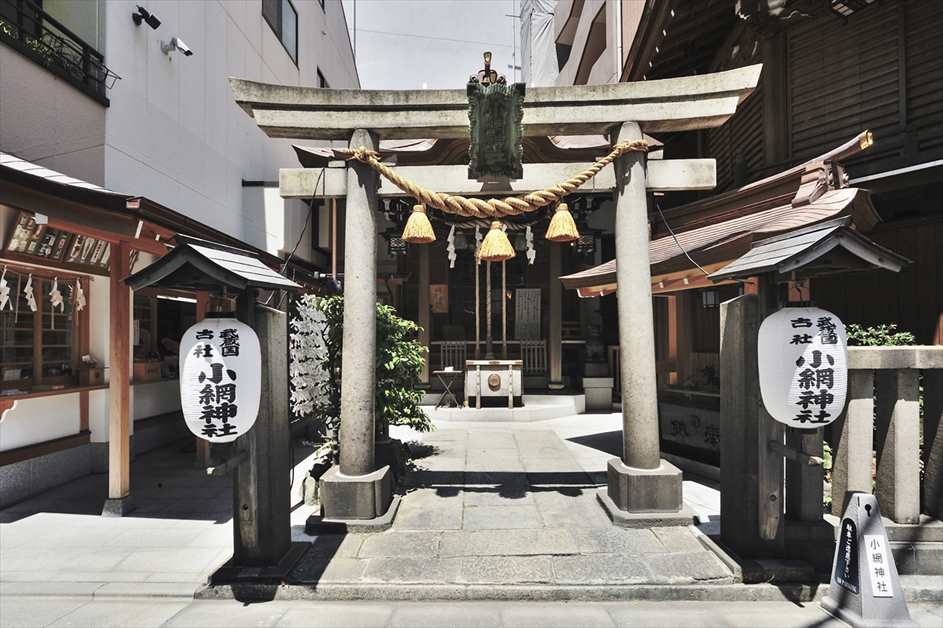
東京・日本橋エリアの小さな神社なのに、いつ行っても人が絶えない——それが小網神社。近年は「強運厄除」「金運」系のパワースポットとして知られ、参拝だけでなく御守や授与品目的で訪れる人も多く、平日でも行列ができることがあります。
ここではアクセス(駅・出口・徒歩分数)と、気になる待ち時間の目安、混雑回避のコツをまとめます。
- アクセス(最寄り駅・出口・徒歩)
- そもそも、なぜこんなに人気?
- 待ち時間の目安(参拝・授与所・御朱印)
- 混雑を避けるコツ(現実的に効く)
- 参拝できる時間は?
- まとめ
- Koami Shrine (Tokyo, Nihonbashi) — Access, Why It’s So Popular, and Typical Waiting Times (Guide)
- 1) Access (Stations, exits, walking time)
- 2) Why is Koami Shrine so popular?
- 3) Waiting time: what to expect (realistic “ranges”)
- 4) How to avoid the worst crowds (simple strategies that work)
- 5) Quick summary
アクセス(最寄り駅・出口・徒歩)
公式案内に沿って、迷いにくいルートだけ抜粋します。
いちばん無難:人形町駅から
- 東京メトロ日比谷線 人形町駅 A2出口:徒歩5分
- 都営浅草線 人形町駅 A5出口:徒歩7分
「人形町」から行く人が多く、案内も多いので初めてでも安心です。
ほかの選択肢
- 半蔵門線 水天宮前駅 8番出口:徒歩10分
- 東西線 茅場町駅 10番出口:徒歩15分
「水天宮前」からは散歩がてら行ける距離感、「茅場町」からは日本橋の街歩きとセットにすると楽です。
駐車場・駐輪場はある?
小網神社には駐車場・駐輪場がありません。車の場合は近隣の有料駐車場を利用する案内になっています。
(休日は周辺も混みやすいので、基本は電車がラクです。)
そもそも、なぜこんなに人気?
人気の理由は大きく3つです。
1)都心で行きやすいのに「ご利益系」が強い
“アクセスの良さ”は正義。オフィス街の真ん中なので、観光だけでなく仕事の合間でも立ち寄りやすい立地です。
2)見どころがコンパクトに詰まっている
小網神社は境内が大きいわけではありません。でも、社殿の彫刻(昇り龍・降り龍)や、銭洗い(銭洗いの井)など、“短時間で体験できる要素”がまとまっていると紹介されています。
3)授与品・御守目的の参拝が多い
参拝自体はいつでもできても、御守や授与品は9:00〜18:00というルールが明記されています。
この時間帯に人が集中しやすく、「参拝より授与所の列が長い」日も出やすいです。
待ち時間の目安(参拝・授与所・御朱印)
※日・時期・天候で大きく変わるので、あくまで体感の目安として見てください。
参拝そのもの
境内は小さめなので、列があっても参拝だけなら回転は比較的早いことが多いです。
ただし、土日祝や**縁起の良い日(天赦日・一粒万倍日など)**は参拝列が伸びやすい、という混雑情報もあります。
授与所(御守・おみくじ等)
混雑の“主戦場”はここになりがち。授与時間が9:00〜18:00に限られるため、人が集まると待ち時間が出ます。
混雑を避けるコツ(現実的に効く)
1)狙い目は「朝イチ」か「夕方寄り」
授与所の開始直後(9時台)や、夕方近くは比較的落ち着く傾向が出やすいです(一般的な人の動きとして)。授与品が目的なら、早めの行動が一番ラクです。
2)土日祝+縁起日を重ねない
「休日」かつ「縁起の良い日」は、混雑が乗算されます。混雑状況を解説する記事でも、曜日や縁起日で差が出る前提でまとめられています。
3)やることを決めておく(滞在時間が短くなる)
小網神社はコンパクトなので、
- 参拝だけ
- 御守も買う
- 銭洗いもする
…どこまでやるかを先に決めると、現地で迷わず動けます。
参拝できる時間は?
小網神社は参拝自体は24時間可能とされています。
一方で、繰り返しになりますが、授与品(御守など)は9:00〜18:00です。
「夜に参拝だけして、御守は翌日」みたいな分け方もできます。
まとめ
- アクセス:人形町駅A2(徒歩5分)が最も行きやすい。水天宮前・茅場町からも徒歩圏。
- 人気の理由:都心で行きやすく、見どころ・授与品がコンパクトに揃う。
- 待ち時間:混むのは主に授与所。土日祝や縁起日は伸びやすい。
- 回避策:朝イチor夕方寄り、縁起日×休日を避ける、目的を絞る。
よければ「行くのは平日?土日?」「御守も欲しい?参拝だけ?」を教えてくれたら、その条件で**おすすめの時間帯(混雑回避プラン)**を1パターンに絞って作ります。
Koami Shrine (Tokyo, Nihonbashi) — Access, Why It’s So Popular, and Typical Waiting Times (Guide)
Koami Shrine (小網神社) is a small shrine tucked into the Nihonbashi/Koami-chō area of central Tokyo—yet it’s famous for drawing steady crowds, even on weekdays. It’s widely known as a spot for good fortune and warding off bad luck, and many visitors come not only to pray, but also for charms (omamori) and other items.
Below is a practical guide covering how to get there, why it’s popular, and what kind of wait to expect—plus realistic tips to avoid the worst lines.
1) Access (Stations, exits, walking time)
The most reliable route is via Ningyocho Station, because the walk is short and the official directions are very clear.
Best option: Ningyocho Station
- Tokyo Metro Hibiya Line “Ningyocho” (A2 exit): about 5 minutes on foot
- Toei Asakusa Line “Ningyocho” (A5 exit): about 7 minutes on foot
Other walkable options
- Tokyo Metro Hanzomon Line “Suitengūmae” (Exit 8): about 10 minutes
- Tokyo Metro Tozai Line “Kayabachō” (Exit 10): about 15 minutes
Parking / bicycle parking
Koami Shrine’s official site states clearly that there is no dedicated parking lot or bicycle parking. If you come by car, you’re asked to use nearby paid parking.
2) Why is Koami Shrine so popular?
(1) Strong “good luck” reputation in the middle of Tokyo
Koami Shrine is officially described as being known for good fortune and protection (strong luck / warding off bad luck)—and it’s right in a highly accessible area of central Tokyo.
That combination (“power spot” + “easy to reach”) naturally creates foot traffic.
(2) Small, but packed with highlights
Even though the grounds are compact, it’s a shrine where you can “do the full experience” quickly: pray, look at the shrine details, and move on—great for busy schedules. Tourist guides also highlight features like the shrine’s history and symbolic elements.
(3) Charms and amulets drive lines (not just the prayer)
A major reason lines form is that many visitors want omamori and other items, not only a quick prayer. When people come for something specific, they’re more willing to queue.
3) Waiting time: what to expect (realistic “ranges”)
Waiting time varies a lot depending on day of week, season, weather, and “lucky calendar days.” So think of these as general patterns rather than fixed numbers.
A) Just praying at the shrine
Because the shrine is small and the prayer flow is straightforward, the line for prayer often moves steadily. On a normal weekday, you may find it manageable.
However, on weekends/holidays and especially on major “lucky days” (when many people visit shrines), the line can become much longer.
B) Buying charms (often the real bottleneck)
In many shrines, the longest line is for the charm/amulet counter rather than the prayer itself. If your main goal is omamori, expect that this is where time can disappear—especially during peak hours.
C) New Year season (Hatsumōde) and peak “lucky days”
During major peaks, crowds can become extreme. Some crowd reports describe lines stretching very far on certain auspicious dates or New Year visits—these are anecdotal and can’t be guaranteed, but they reflect the basic reality: Koami Shrine can get intensely crowded at peak times.
4) How to avoid the worst crowds (simple strategies that work)
Go early (or go late)
If you want a calmer visit, the best tactic is timing:
- Early morning tends to be easier.
- Later in the day can also calm down compared with the midday rush.
Avoid the “stacked” peak conditions
Crowds often explode when multiple factors overlap:
- Weekend/holiday
- Good weather
- Famous “lucky day”
- Travel season / New Year period
If you can choose, avoiding just one of those (especially weekend + lucky day together) helps a lot.
Decide your mission before you arrive
Because the shrine is compact, you’ll move faster if you decide in advance:
- “Prayer only”
- “Prayer + charms”
- “Prayer + charms + photo time”
That sounds small, but it prevents slow wandering in a tight space—especially when it’s busy.
5) Quick summary
- Access: Best is Ningyocho Station (A2 exit ~5 min); also walkable from Suitengūmae and Kayabachō.
- No parking/bike parking: Use nearby paid parking if driving.
- Why it’s popular: Strong luck/protection reputation + central location + many visitors come for charms.
- Waiting time: Usually manageable off-peak, but can get very long on weekends, lucky days, and New Year period.

コメント